A Practical Guide to Choosing the Right Gutter System for Your Atlanta Home
Why Gutter Choice Matters for Your Home
Rainwater management might not be the first thing on your mind when you think about home improvement, but the gutter system you choose plays a quiet yet critical role in protecting your property. In a place like Atlanta, where heavy downpours can arrive without warning, having a system that moves water away from your foundation, siding, and landscaping is essential. The wrong choice can lead to overflowing gutters, water pooling near the house, and long-term damage that is expensive to fix.
Before you decide on a system, it helps to understand the basic options available. Each style has its own strengths and weaknesses, and the right one depends on your roof type, the local climate, and your budget. This gutter types guide will walk you through the most common profiles, installation methods, and key considerations so you can make an informed decision.
K-Style Gutters: The Modern Standard
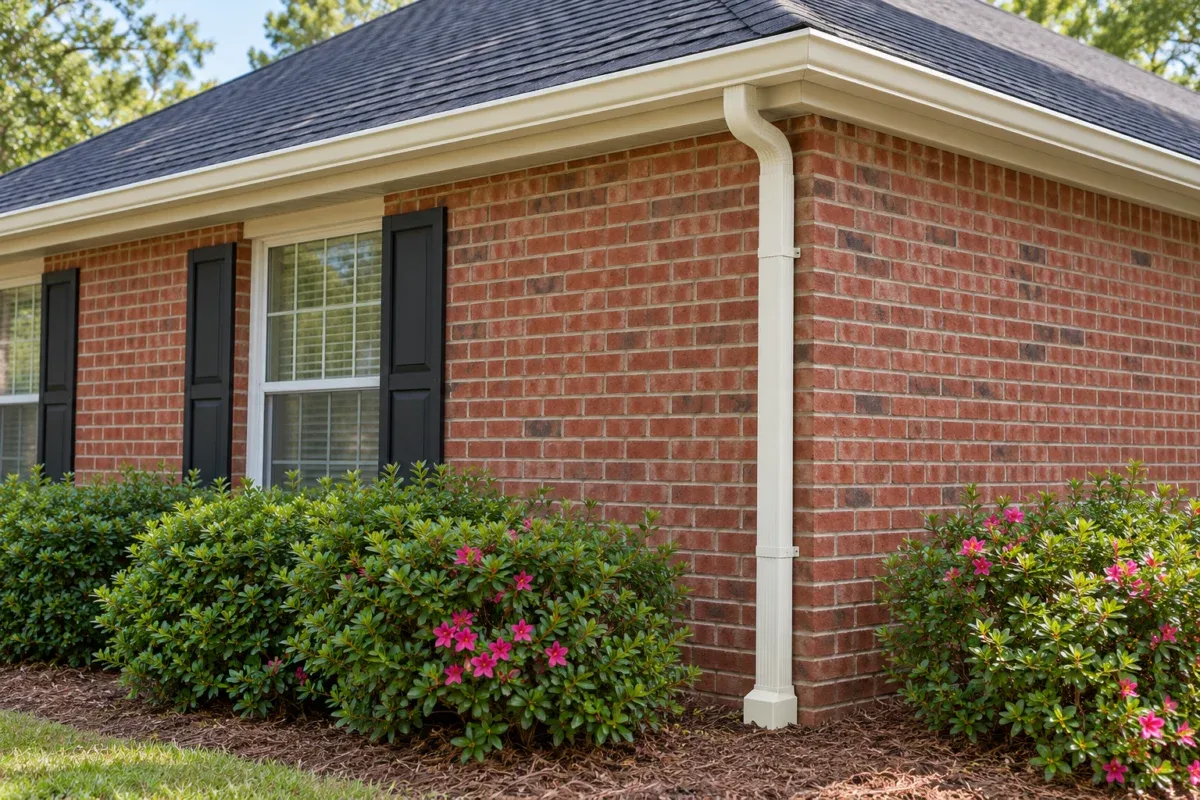
K-style gutters are the most widely used profile in residential construction today. Their shape resembles the letter K when viewed from the side, with a flat back and a decorative front that mimics crown molding. This design gives them a clean, integrated look that suits most modern homes. They also have a high water-carrying capacity relative to their size, which makes them a solid choice for roofs with steep pitches or large surface areas.
One of the practical advantages of K-style gutters is their strength. The flat back provides a broad surface for fastening to the fascia board, and the front lip helps keep water from spilling over during heavy rain. They are typically available in aluminum, steel, or vinyl, with aluminum being a popular choice in Atlanta because it resists rust well. If you are replacing an old system, K-style gutters are often a straightforward upgrade because they work with standard downspout sizes and fittings.
Half-Round Gutters: Traditional Appeal
Half-round gutters have a classic, open U-shape that is often seen on older homes, historic buildings, and houses with a more traditional or cottage-style look. Their rounded profile is less likely to collect debris than K-style gutters, especially if you live in a neighborhood with overhanging trees. Leaves and twigs tend to wash through rather than get stuck in corners.
However, half-round gutters generally have a lower water capacity than K-style gutters of the same width. This means they may require more downspouts or a steeper slope to handle the same volume of runoff. In Atlanta's climate, where sudden storms can dump a lot of rain in a short time, careful sizing is important. If you prefer the look of half-round gutters, make sure the system is calculated for your roof area and local rainfall intensity.
Installation can also be slightly different. Half-round gutters typically need special brackets or hangers that support the rounded shape, and they are often used with round downspouts. If you are switching from a K-style system, you may need to replace more than just the gutter sections themselves.
Box Gutters: Built-In Durability
Box gutters are a less common but still relevant option, especially in older homes or custom builds. Unlike the other styles, box gutters are built into the roof structure itself. They are essentially a rectangular channel lined with metal or another waterproof material, often concealed behind a parapet or fascia. Because they are part of the roof, they can be very durable and can handle large volumes of water if properly maintained.
The downside is that box gutters are much harder to inspect and clean. Debris can accumulate inside the hidden channel, leading to clogs and water damage that goes unnoticed until it becomes serious. In Atlanta, where trees drop leaves and pine needles for much of the year, this can be a real maintenance challenge. If your home already has box gutters, it pays to have them checked regularly. If you are planning a new installation, many contractors will recommend a more accessible gutter type instead.

Seamless Gutters: Fewer Leaks, Custom Fit
Seamless gutters are not a profile but a method of construction. Instead of joining pre-cut sections with connectors and sealant, seamless gutters are formed on-site from a continuous roll of metal, usually aluminum or copper. The result is a single, uninterrupted length of gutter that runs along each roof edge, with no seams to leak or separate over time.
This approach offers a major advantage in reliability. Joints are a common failure point in sectional gutters, especially in climates with freeze-thaw cycles or heavy rain. With seamless gutters, the risk of leaks is greatly reduced. They also tend to look cleaner because there are no visible seams. The main trade-off is that seamless gutters require a professional installation with specialized equipment, so they are generally more expensive upfront. For many homeowners in Atlanta, the long-term durability and low maintenance make them worth considering.
Downspout Placement and Slope
No matter which gutter style you choose, how the water exits the system is just as important as how it enters. Downspout placement determines where the water ends up, and it should be planned to direct runoff away from the foundation and toward a suitable drainage area, such as a dry well or a downspout extension that carries water out into the yard.
Slope, or pitch, is the slight angle at which gutters are installed to encourage water to flow toward downspouts. Too little slope and water pools in the gutter, increasing the risk of overflow and debris buildup. Too much slope and the gutters may look uneven or pull away from the fascia. A standard recommendation is about a quarter-inch drop for every ten feet of gutter length, but this can vary with the profile and the local rainfall. When planning a new system, ask the installer how they calculate pitch for your specific gutter type.
Gutter Guards and Maintenance
Keeping gutters clean is one of those tasks that is easy to put off until it becomes a problem. Gutter guards, also called gutter covers or screens, are designed to keep leaves, pine needles, and other debris out of the gutter while allowing water to enter freely. They come in several styles, from simple mesh screens to foam inserts to solid covers with slotted openings.

No guard is completely maintenance-free. Even the best systems need occasional inspection to remove debris that collects on top. But a good guard can reduce the frequency of cleaning significantly, which is a real advantage if you have tall trees near your home or if you simply do not enjoy climbing a ladder. When choosing guards, make sure they are compatible with your gutter profile. Some guards work better with K-style gutters, while others are designed for half-round profiles.
This gutter types guide has covered the main options: K-style, half-round, box, and seamless systems. Each has a place in the Atlanta market, and the right choice comes down to your home's architecture, your budget, and how much maintenance you are willing to take on. A well-chosen gutter system, installed with proper slope and downspout placement, will protect your home for years. Take the time to talk with a local installer who understands the demands of the climate and can recommend a solution that fits your specific roof and home style.